Introduction

In the world of aviation, fuel efficiency has always been a significant concern. Over the past few decades, remarkable strides have been made in improving fuel efficiency in aircraft. This article explores some notable accomplishments in the field and delves into the exciting possibilities for the future.
Past Achievements
Burt Rutan and Vari Ez's PMPG
In 1975, aviation innovators Burt Rutan and Vari Ez achieved a groundbreaking feat by introducing the Personal Miles Per Gallon (PMPG) concept. The duo was able to achieve an impressive fuel efficiency rating of 140, a remarkable improvement for the time. This accomplishment revolutionized the way aviation enthusiasts and professionals alike thought about fuel consumption.
Pipistrel G4 and 388 PMPG

Fast forward to 2011, and the Pipistrel G4 team took fuel efficiency even further. With their revolutionary design, they achieved an exceptional PMPG rating of 388. This remarkable improvement showcased the incredible advancements made in aviation technology and inspired the industry to strive for even greater fuel efficiency.
Possibilities for the Future
Given the remarkable progress made in the past, it is plausible to assume that future aircraft designs and technologies will continue to push the boundaries of fuel efficiency. With ongoing research and development, it is not unreasonable to expect at least a fourfold increase in fuel efficiency from current levels. The aviation industry is committed to exploring innovative solutions that will improve sustainability and reduce the environmental impact of air travel.
Conclusion
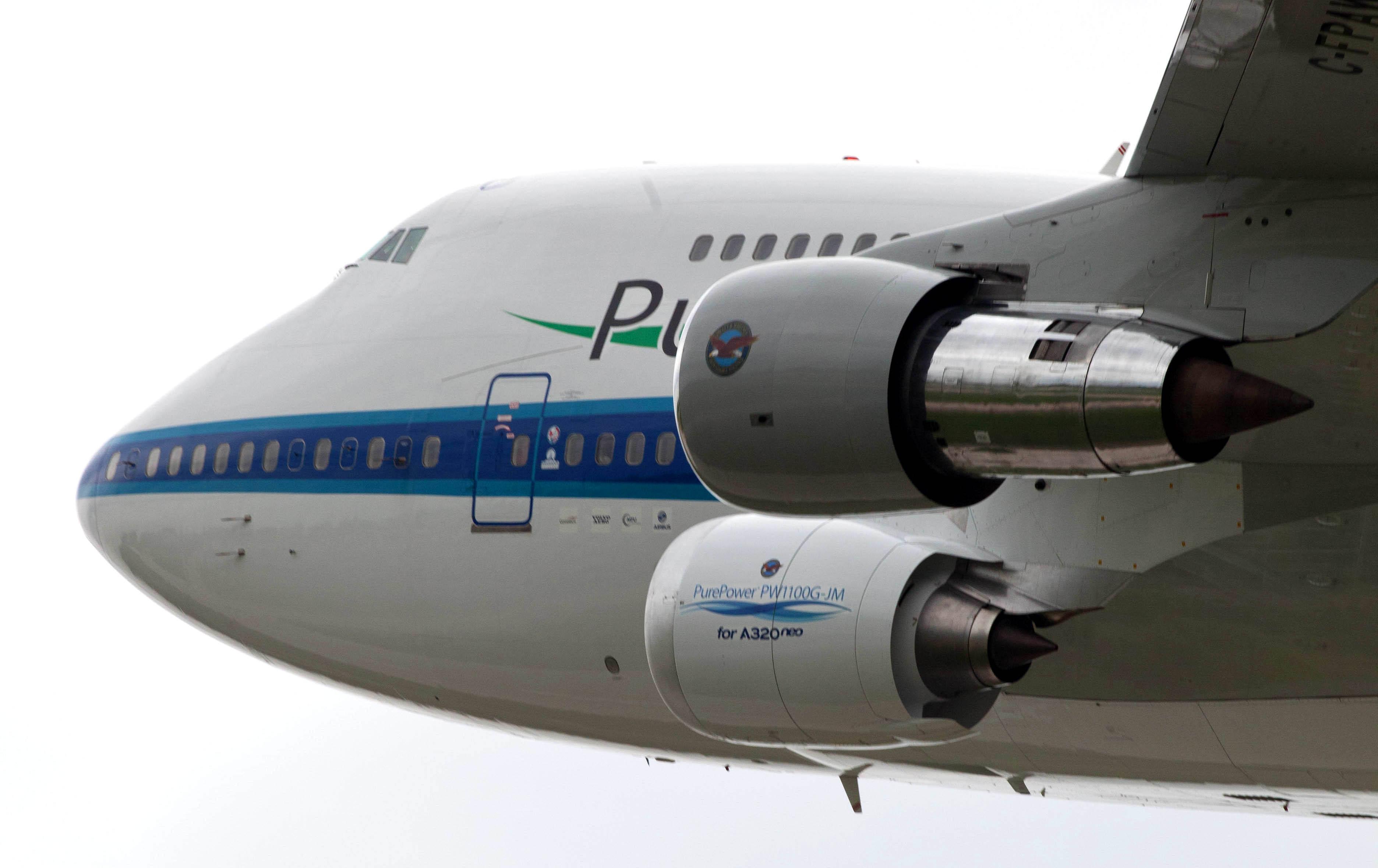
The achievements of Burt Rutan, Vari Ez, and the Pipistrel G4 team have shown that significant strides can be made in achieving fuel efficiency in aviation. These accomplishments serve as inspiration for the future, encouraging further exploration and development of technologies to make air travel more sustainable. As the aviation industry continues to evolve, fuel efficiency remains a top priority, ensuring a greener and more environmentally friendly future for the skies.
Hotels and the Future of Travel
While this article focuses on the advancements in aviation fuel efficiency, it is important to recognize that sustainability is a key consideration in all aspects of the travel industry. Just as the aviation industry strives to reduce its carbon footprint, hotels and accommodations are also embracing eco-friendly practices. From energy-efficient buildings to waste reduction and eco-friendly amenities, hotels play a crucial role in promoting sustainable travel experiences. By embracing environmentally conscious practices, hotels work hand in hand with the aviation sector to ensure a more sustainable future for the entire travel industry.