
In the ongoing quest for enhanced efficiency and performance, the aviation industry has made substantial strides in reducing drag through advanced aerodynamic designs. This article will delve into the latest innovations that are setting the stage for the next generation of travel.
Drag reduction began with streamlining shapes to minimize air resistance, but in the 21st century, the industry is moving far beyond those initial steps. Ground-breaking materials, computational fluid dynamics (CFD), and cutting-edge concepts are emerging, pushing the envelope of what's possible in aircraft efficiency.
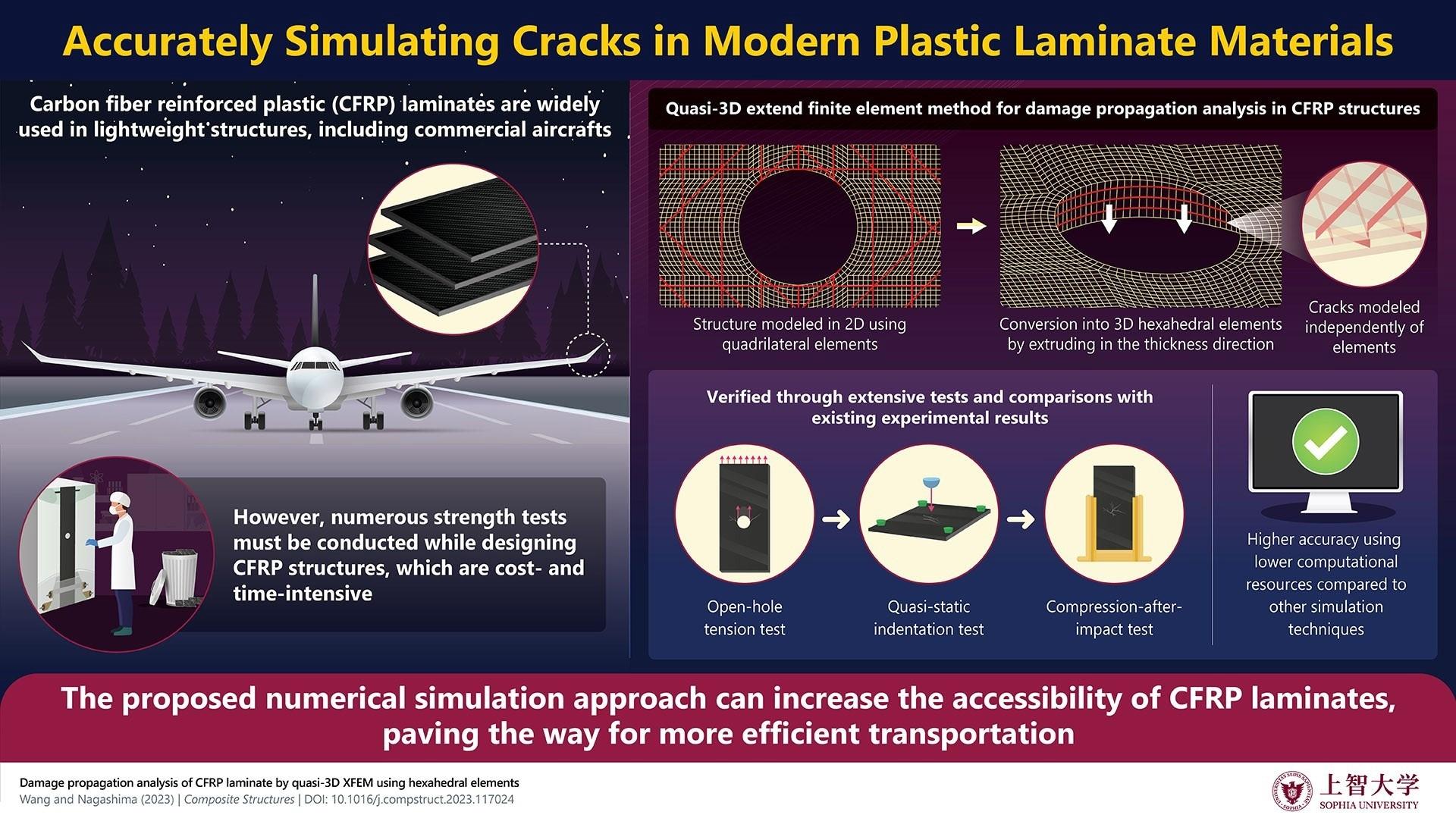
Materials technology has progressed immensely, with the introduction of composites that are lighter yet stronger than traditional alloys. These materials not only reduce the weight of the aircraft but also enable more aerodynamic forms that previous materials could not support.
Laminar flow control is an area of intense research focusing on maintaining uninterrupted airflow over surfaces. This technology leads to a significant reduction in drag, thereby improving fuel efficiency and range for aircraft.
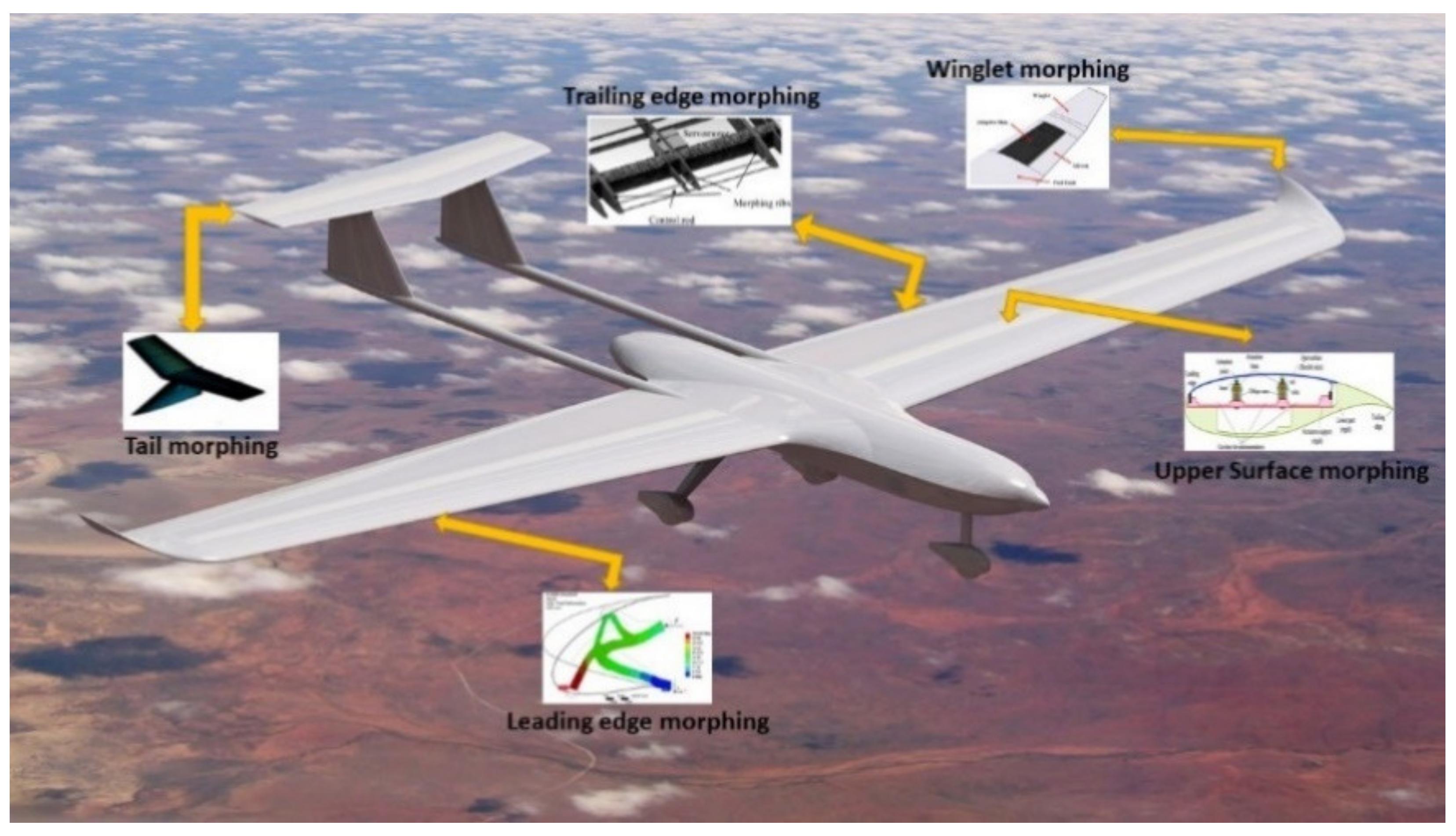
From blended wing bodies to adaptive wing structures, engineers are redesigning wings to create an optimal balance between lift and drag. These innovations exemplify how flexible surfaces and active controls can adapt to various flight conditions for maximum aerodynamic efficiency.
The extensive use of CFD has enabled a deeper understanding of airflow patterns around aircraft structures. Simulations provide the insights needed for drag reduction without the expense and constraints of physical wind tunnel testing.
With the power of supercomputers, CFD allows for the virtual modeling of complex flows, including turbulent and transitional regimes. This level of detail assists in refining aircraft shapes for optimal performance.
Integrating propulsion systems into the airframe design holds great potential for drag reduction. Innovative engine placements and airframe-propulsion synergies are key to the new era of fuel-efficient aircraft.
The fruits of these technological advancements in drag reduction offer exciting prospects for enhancing the future of travel. Not only can we anticipate more fuel-efficient flights, but these innovations also spell an era of longer, faster, and more environmentally friendly journeys. As we marvel at the new horizons being opened up thanks to these developments, it's clear that the choices of destinations and accommodations will continue to expand, accommodating the aspiring traveler seeking both comfort and sustainability.